
































In a world constantly seeking the next big breakthrough in wellness and longevity, we’ve explored everything from superfoods and genetic engineering to mindfulness techniques. Yet, what if the ultimate secret to aging gracefully wasn’t just about what we eat or how we think—but where we live? Enter Smart Green Architecture—a fusion of sustainability, technology, and human-centric design that promises not only to reshape our buildings but also our health and longevity.
But how can the spaces we inhabit influence our aging process? Can architecture truly play a role in how long and well we live? To answer these questions, let’s dive into the intersection of smart green architecture, wellness design, and aging, and uncover how this innovative approach could indeed be the ultimate anti-aging secret.
The Birth of Smart Green Architecture
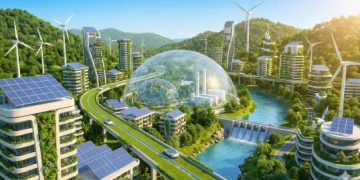
At its core, Smart Green Architecture is about integrating cutting-edge technology with eco-friendly design principles to create buildings that are both sustainable and attuned to the needs of their inhabitants. This type of architecture goes beyond energy efficiency—it’s a holistic approach that considers the health, well-being, and longevity of the people who live and work in these spaces.
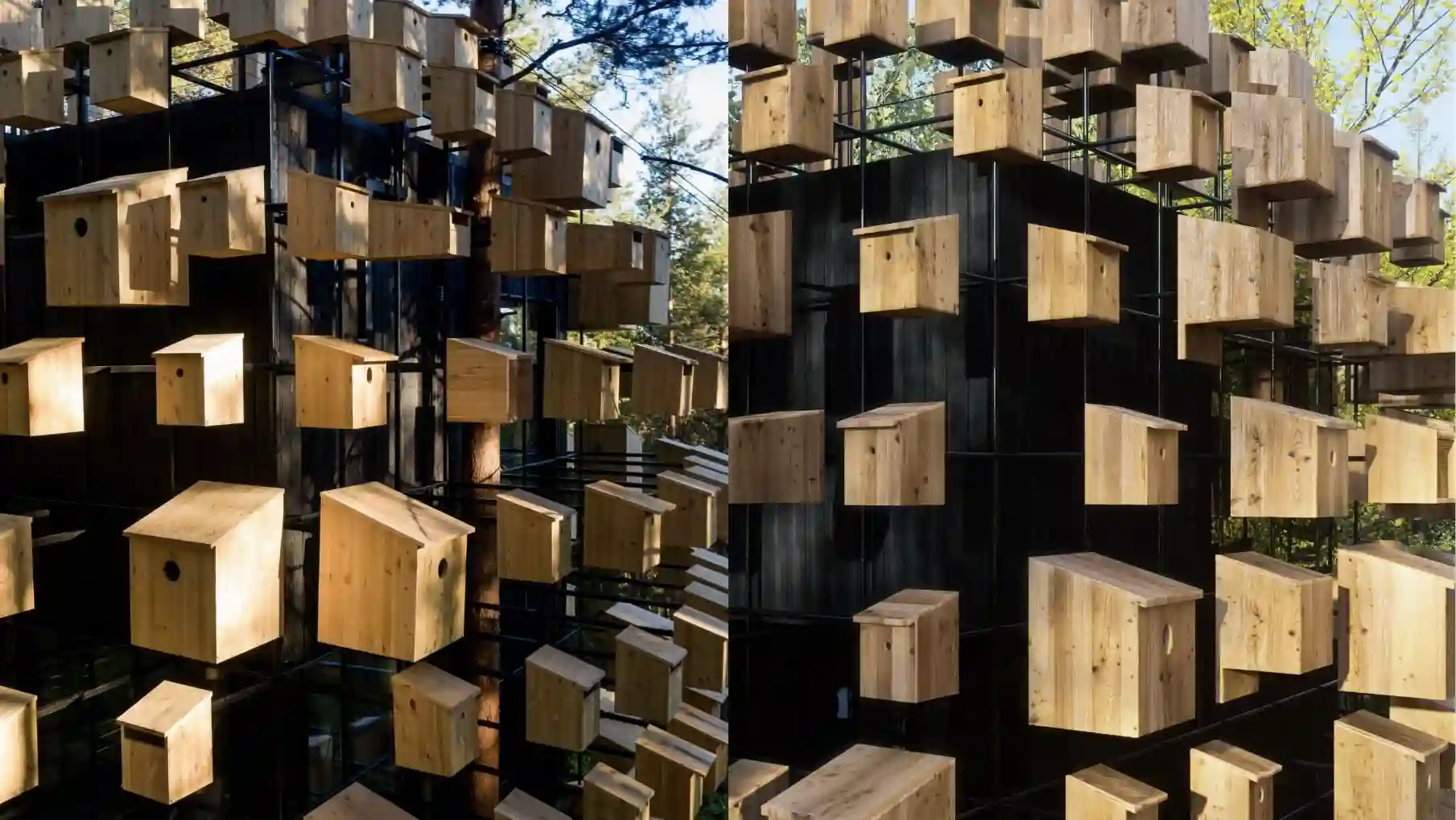
This forward-thinking approach draws inspiration from nature itself, mimicking the biophilic design principles that connect humans to the natural environment. By utilizing sustainable building materials, energy-efficient systems, and smart technologies like sensors and automation, smart green architecture aims to create spaces that enhance not just the planet’s health, but also human health—promoting vitality, rejuvenation, and longevity.
Key Components of Smart Green Architecture
1. Energy-Efficient Design
Energy-efficient buildings are at the heart of smart green architecture. These buildings are designed to reduce energy consumption by utilizing passive design techniques, such as natural ventilation, thermal insulation, and solar energy. This translates into healthier indoor environments with stable temperatures, better air quality, and less exposure to harmful pollutants—all of which contribute to reduced stress on the body.
2. Sustainable Materials
The use of sustainable, non-toxic materials in construction is essential to this design philosophy. Materials like recycled wood, bamboo, low-VOC paints, and eco-friendly insulation reduce exposure to harmful chemicals, improving air quality and overall health. These materials are not only environmentally friendly but also better for our bodies, reducing the risks of respiratory issues and allergies, which are often linked to traditional building materials.
3. Biophilic Design
Nature has always been known to have a positive effect on our well-being. Biophilic design capitalizes on this connection by incorporating natural elements such as plants, green walls, water features, and natural light into interior spaces. This approach helps reduce stress, improve mood, increase productivity, and even lower blood pressure. Studies have shown that exposure to nature—whether inside or outside—promotes mental and physical health, helping to combat the mental and physical effects of aging.
4. Smart Technologies
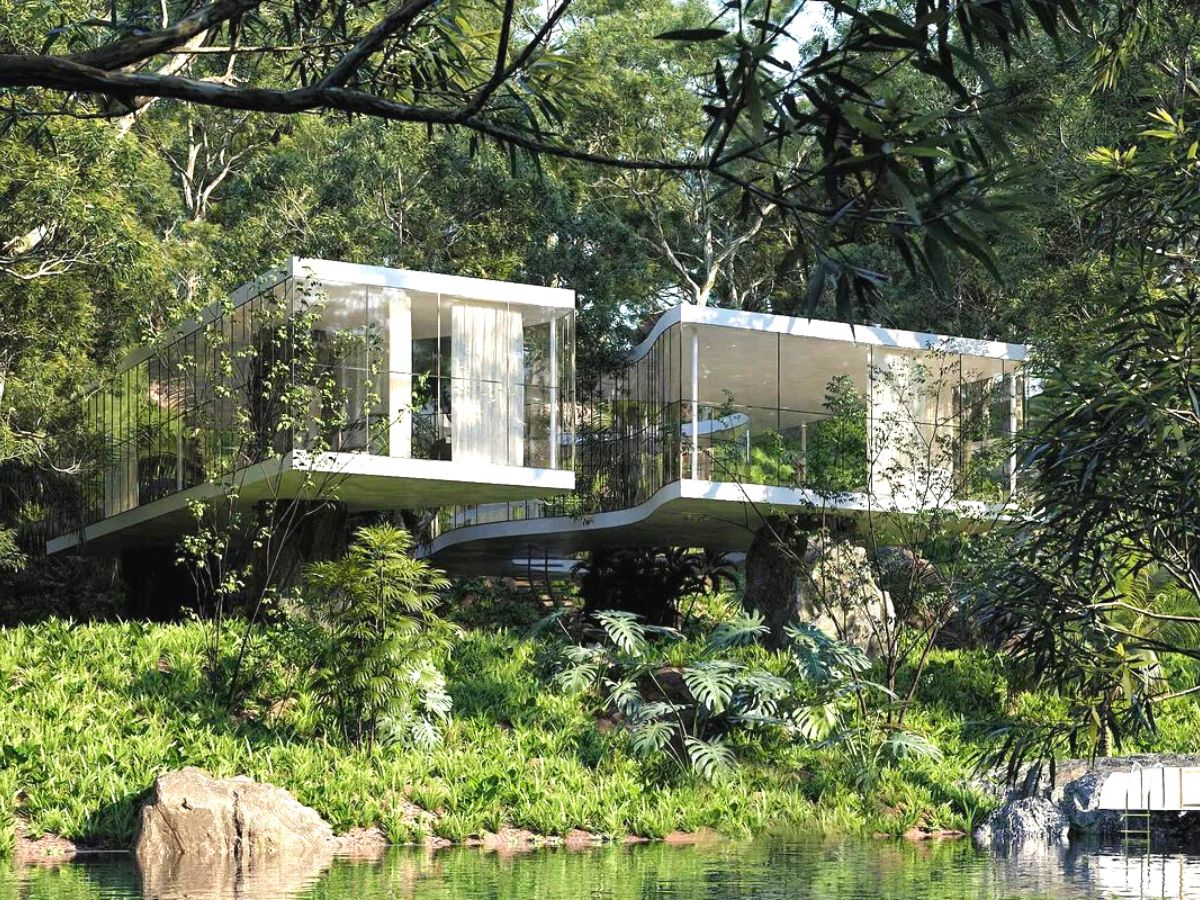
In the realm of architecture, smart technologies are becoming indispensable. Sensors that adjust lighting, temperature, and air quality based on real-time data can create more comfortable and healthier environments. Smart lighting, for instance, can mimic natural daylight cycles, promoting better sleep and circadian rhythms, which are crucial for maintaining health as we age. Automated systems for heating and cooling also reduce energy consumption while keeping the environment comfortable.
5. Green Spaces
Green spaces, such as rooftop gardens, courtyards, and even indoor plant installations, play a critical role in smart green architecture. Access to green spaces has been shown to improve mental clarity, reduce stress, and enhance mood, all of which contribute to a longer, healthier life. For older adults, easy access to green spaces can significantly improve physical and mental well-being, encouraging outdoor activity, relaxation, and social interaction.
How Smart Green Architecture Enhances Longevity
Now, let’s explore how these principles can directly affect our aging process and contribute to a more youthful, vibrant life.
1. Improved Air Quality for Better Health
As we age, our respiratory systems become more vulnerable to toxins and allergens. Poor indoor air quality can exacerbate conditions like asthma, allergies, and even cardiovascular diseases. Smart green architecture, with its focus on natural ventilation, air purification systems, and low-emission materials, helps mitigate these risks. Clean air promotes better lung function, a stronger immune system, and a lower risk of chronic diseases—all essential for healthy aging.
Example: In buildings with high-performance filtration systems and natural ventilation, the air is consistently refreshed and purified, ensuring occupants are breathing fresh air that supports their respiratory and cardiovascular health.
2. Stress Reduction and Mental Health
As we age, stress becomes an increasingly significant factor in our overall health. Chronic stress is linked to heart disease, memory loss, and other age-related illnesses. Smart green architecture’s focus on biophilic design, natural light, and green spaces is a direct countermeasure to stress. Studies have shown that simply being in the presence of plants and greenery can lower cortisol levels, the hormone associated with stress.
Example: A green roof garden or an indoor plant wall in a home or office can create a peaceful environment that promotes relaxation and mental clarity, fostering a sense of calm that is essential for longevity.
3. Physical Activity and Mobility
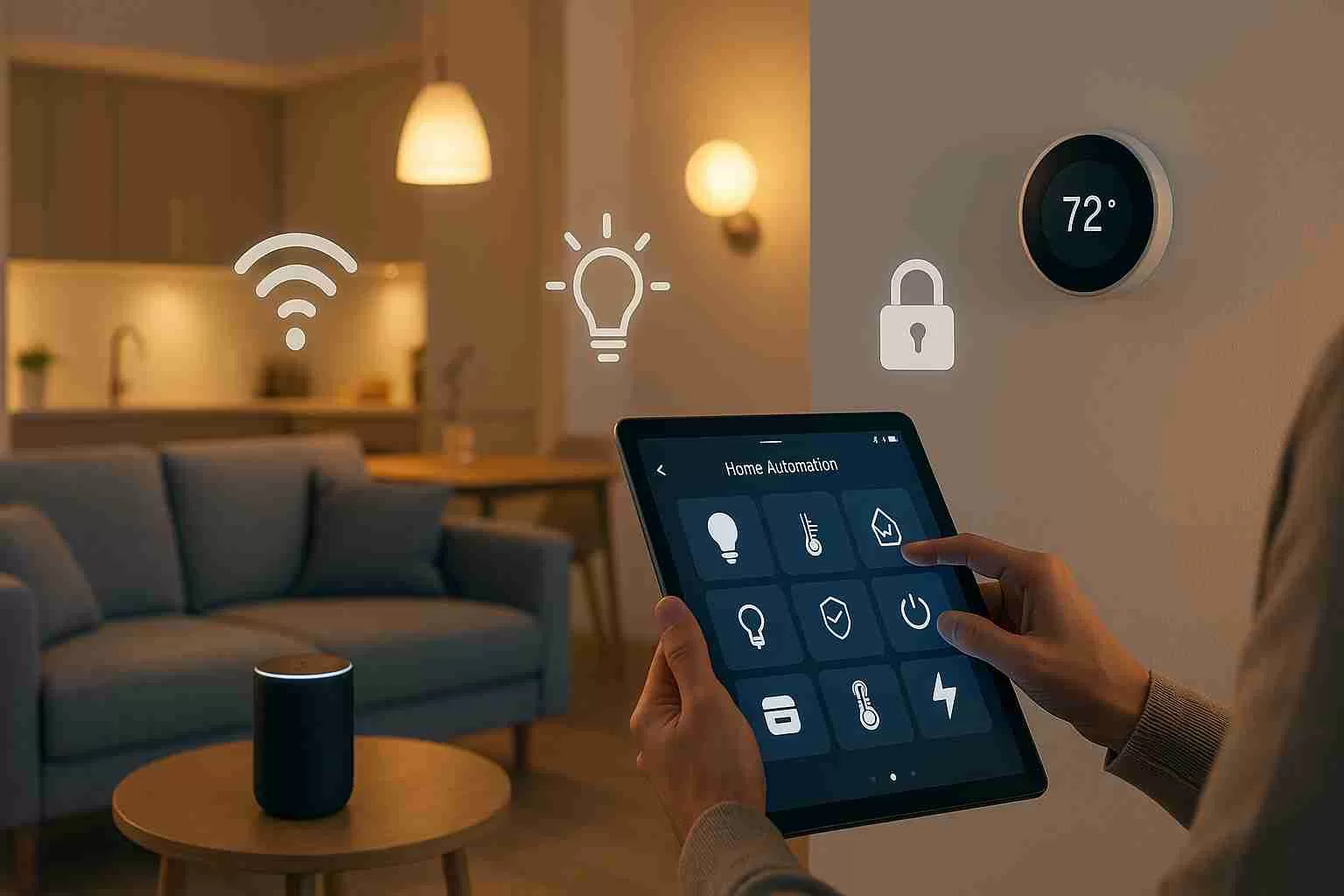
With the rise of sedentary lifestyles, many people find it harder to stay active as they age. However, smart green architecture encourages physical activity by designing spaces that are walkable and integrated with outdoor environments. The presence of walkable paths, outdoor fitness areas, and bike lanes can encourage older adults to stay active, improving their cardiovascular health, flexibility, and mobility.
Example: A community with walking trails, bike paths, and open public spaces designed to encourage walking or cycling provides older adults with opportunities for regular physical activity, promoting both mental and physical well-being.
4. Sleep Quality and Circadian Rhythms
Sleep quality tends to decline with age, leading to problems such as insomnia, daytime fatigue, and cognitive decline. Smart homes equipped with circadian lighting systems—which adjust to match natural daylight patterns—help regulate the body’s internal clock, promoting restful sleep. Natural light and proper lighting design also reduce the risk of sleep disturbances by aligning with our natural circadian rhythms, leading to more rejuvenating rest.
Example: Automated lighting that dims in the evening and brightens during the morning hours can help seniors maintain a natural sleep-wake cycle, boosting both mood and energy levels.
5. Social Connections and Community Well-being
Loneliness and isolation are significant concerns for older adults, and they are linked to a range of health issues, including depression and cognitive decline. Smart green architecture doesn’t just focus on individual spaces; it also considers communal areas designed to encourage social interaction. Open spaces, community gardens, and gathering areas promote socializing, building stronger support networks that contribute to mental and emotional well-being.
Example: Multi-generational living spaces or neighborhood designs that foster community interaction can reduce feelings of isolation and encourage positive relationships, which are key to a longer, healthier life.
The Science of Smart Green Architecture and Aging
While the principles of smart green architecture may seem intuitive, numerous studies have begun to validate the impact of these design elements on human health and aging. Research consistently shows that green buildings lead to improved air quality, enhanced mood, better cognitive function, and even faster recovery from illness.
Studies have also linked access to natural environments—whether in the form of green rooftops, gardens, or outdoor parks—with improved immune function, better sleep, and lower blood pressure. These benefits aren’t just theoretical; they’re rooted in science, and the outcomes are measurable.
Is Smart Green Architecture the Ultimate Anti-Aging Secret?
It’s clear that the places we live can have a profound impact on how we age. Smart green architecture—by incorporating sustainability, natural elements, and advanced technologies—creates environments that promote physical, mental, and emotional well-being. The integration of healthy building materials, efficient systems, and community-oriented spaces works synergistically to reduce stress, enhance air quality, improve mobility, and promote longevity.
While no single factor can guarantee immortality, it’s becoming increasingly clear that the spaces we inhabit have a critical role in how we age. And perhaps, just perhaps, the ultimate anti-aging secret isn’t a magic pill, but the spaces we design, live in, and interact with on a daily basis.













Discussion about this post