





































As the world shifts toward a more sustainable future, bio-based materials are becoming increasingly popular in various industries, from construction and fashion to healthcare and electronics. One of the most exciting applications of these materials is in the realm of wearable technology. Wearables are devices that monitor and track aspects of an individual’s health, fitness, and daily activities. They are already common in the form of fitness trackers, smartwatches, and even health-monitoring patches. But what if these devices could do more than just track our physical activity? What if they could help prevent chronic illnesses, such as heart disease, diabetes, or even certain types of cancers?
This is where bio-based materials could play a game-changing role. These materials, derived from renewable biological resources like plants, fungi, and algae, are not only more sustainable but could also offer unique advantages in healthcare, especially in wearables. In this article, we will explore how bio-based materials could contribute to the prevention of chronic illnesses, revolutionize healthcare monitoring, and ultimately improve our quality of life.
1. Understanding Chronic Illnesses and Their Prevalence
Chronic illnesses—long-lasting conditions that persist for a year or more—are among the most common and costly health problems worldwide. According to the World Health Organization (WHO), chronic diseases like heart disease, stroke, diabetes, and chronic respiratory diseases account for over 70% of global deaths. These conditions are often linked to lifestyle factors such as poor diet, lack of exercise, and environmental influences. Unfortunately, many people are unaware of their risk factors until it’s too late, making early detection and prevention critical.
Wearable technologies have emerged as a tool for improving chronic disease management, offering real-time data that can help individuals track their health metrics and take proactive steps. However, the materials used in these devices are often made from non-renewable resources and can have a significant environmental impact. This is where bio-based materials offer a promising alternative.
2. The Role of Bio-Based Materials in Wearable Technology
Bio-based materials are derived from natural sources, such as plants, animals, or microorganisms, and they offer numerous benefits in the context of wearable devices. These materials are biodegradable, sustainable, and often more compatible with human skin, which is crucial for wearables that need to be worn continuously.
a. Biodegradability and Sustainability
The production of conventional wearable devices often involves plastics and metals that are harmful to the environment. These materials can take hundreds of years to decompose, contributing to electronic waste. Bio-based materials, however, are biodegradable and can decompose more quickly, reducing the ecological footprint of wearables.
For example, bioplastics made from plant-based polymers can be used to construct the outer shell of wearable devices, reducing reliance on petroleum-based plastics. Furthermore, bio-based materials can be produced with a lower carbon footprint compared to synthetic alternatives, making them a more sustainable choice for the growing wearable tech market.
b. Skin Compatibility and Comfort
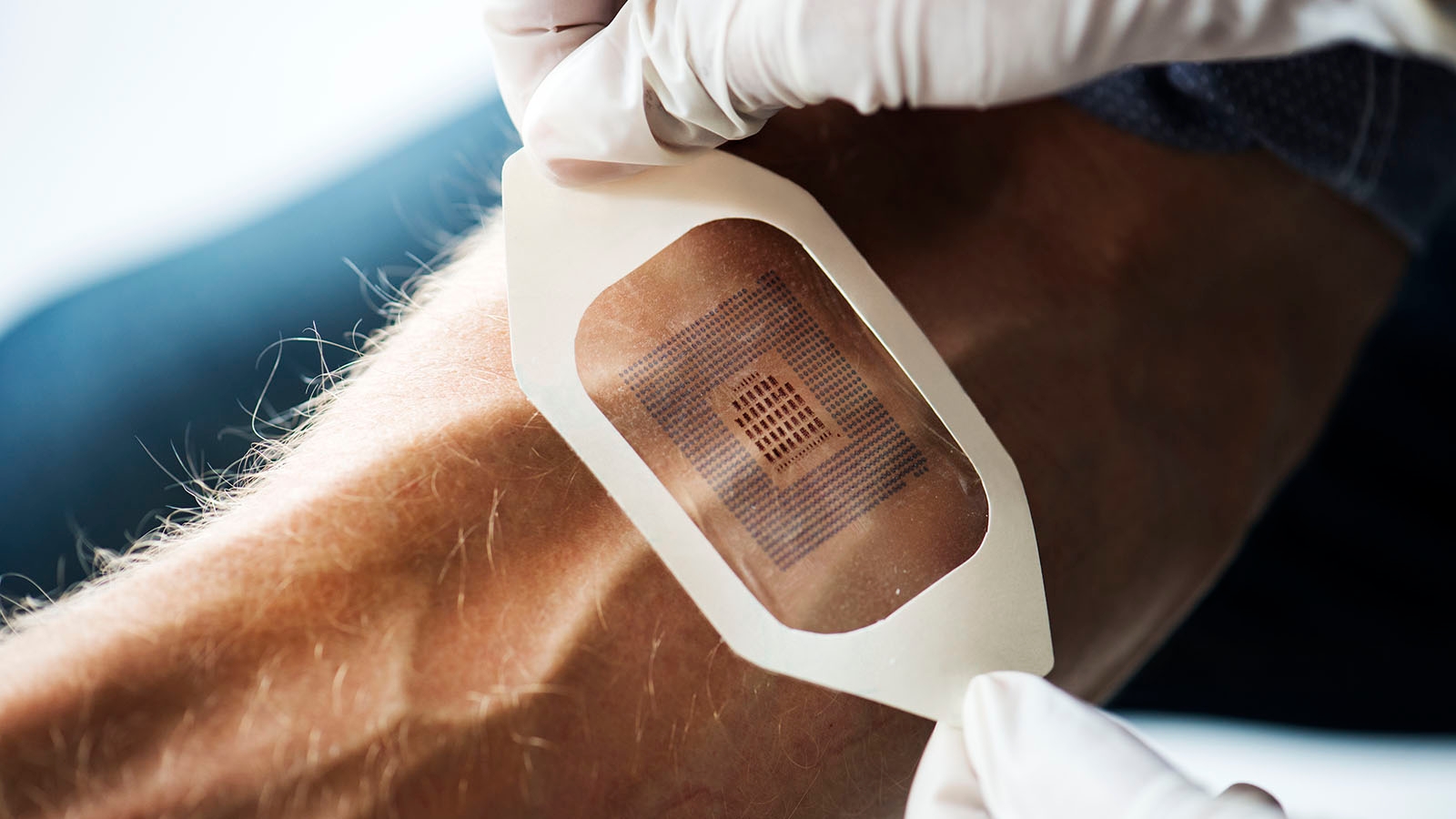
One of the challenges with traditional wearable devices is that they can sometimes cause skin irritation or discomfort, especially when worn for long periods. Materials like silicone and certain metals can irritate sensitive skin, causing rashes or allergic reactions. Bio-based materials, such as plant-based fibers, biopolymers, and fungal materials, offer an alternative that is often more biocompatible and less likely to cause adverse reactions.
For instance, biopolymer materials derived from chitin (found in the shells of crustaceans) or cellulose (from plant fibers) are naturally hypoallergenic and breathable. These properties make them ideal candidates for wearables that need to stay in contact with the skin for extended periods, like heart rate monitors, smartwatches, and fitness trackers.
3. Bio-Based Wearables: Enhancing Chronic Illness Prevention
The potential for bio-based materials to revolutionize wearable technology goes beyond just sustainability and comfort. These materials can actually play a crucial role in preventing chronic illnesses by enabling more accurate, real-time health monitoring and providing insights into disease prevention.
a. Monitoring Cardiovascular Health
One of the most common chronic illnesses is heart disease, which is largely preventable through lifestyle changes such as regular exercise, a balanced diet, and monitoring key health metrics like heart rate, blood pressure, and cholesterol levels. Wearable devices that track these metrics can help users detect early signs of cardiovascular issues, prompting them to take preventive action before more serious conditions arise.

Bio-based materials could enhance the accuracy and comfort of these devices, making them more user-friendly. For instance, bio-sensors embedded in wearable devices could use materials like conductive biopolymers or plant-based carbon materials to detect heart rate and other vital signs with greater precision. Additionally, bio-based materials can be used to create flexible and breathable sensors, ensuring users can wear their devices comfortably for longer periods, resulting in more reliable data collection.
b. Preventing Diabetes Through Continuous Monitoring
Diabetes, particularly type 2 diabetes, is another chronic illness that is preventable through early intervention. Continuous monitoring of blood glucose levels is essential for individuals at risk of diabetes, and wearable devices can play a crucial role in this process. However, current glucose monitoring systems can be invasive or uncomfortable for patients.
Bio-based materials offer a promising alternative for more comfortable and non-invasive glucose monitoring. For example, researchers are developing bio-based sensors that can detect glucose levels through sweat or interstitial fluid, offering a pain-free way to monitor blood sugar levels in real-time. These sensors could be embedded in a wearable patch made from biodegradable materials, allowing users to track their glucose levels throughout the day without the need for traditional finger-prick tests.
c. Wearables for Cancer Prevention
Cancer, while often genetic, can also be influenced by environmental factors and lifestyle choices. Preventing cancer involves regular screenings, early detection, and lifestyle modifications, and wearables could play a pivotal role in this process. Bio-based materials could be used to create sensors capable of detecting early biomarkers for various types of cancer, such as changes in body temperature, skin pH, or blood oxygen levels.
For example, bio-sensors made from natural polymers could be integrated into wearables to monitor users’ vital signs and detect abnormalities that might indicate the early stages of cancer. These sensors could offer non-invasive, continuous monitoring, alerting users to potential health concerns long before symptoms appear. Early detection is key to improving the chances of successful treatment and survival, making wearable technologies powered by bio-based materials a potentially life-saving tool.
4. The Future of Bio-Based Wearables in Chronic Illness Prevention
The potential for bio-based materials to impact the wearable technology market is immense, but we are still in the early stages of development. Researchers and engineers are constantly exploring new materials and techniques to integrate bio-based elements into wearable devices. In the future, we may see wearables that not only help prevent chronic illnesses but also aid in the regeneration of tissues, improve healing, and even monitor mental health.
Advancements in biocompatible materials, bio-sensing technologies, and data analytics will drive this evolution. With the help of artificial intelligence (AI) and machine learning, bio-based wearables could collect vast amounts of personalized health data, offering tailored recommendations for disease prevention and management. As the technology matures, it may become commonplace for individuals to wear bio-based devices that constantly monitor their health and alert them to any potential issues before they become life-threatening.
Moreover, the integration of bio-based materials into wearables could align with the broader movement towards a more sustainable, circular economy. The use of renewable, biodegradable materials not only benefits individuals’ health but also contributes to the health of the planet by reducing the environmental impact of electronic waste.
5. Conclusion
The potential for bio-based materials in wearable technology to prevent chronic illness is both exciting and transformative. From cardiovascular disease to diabetes and cancer, bio-based wearables could provide continuous, non-invasive health monitoring that enables early detection and proactive management of chronic conditions. As technology continues to advance, we may see these devices evolve from simple health trackers to life-saving tools that help individuals maintain their health and prevent the onset of chronic illnesses.
By embracing sustainable, biodegradable, and biocompatible materials, we are not only improving the effectiveness and comfort of wearables but also taking a significant step toward creating a healthier and more sustainable future. Bio-based materials are set to play a pivotal role in the wearable health tech revolution, offering a new era of disease prevention and proactive healthcare.













Discussion about this post