















In today’s hyper-connected world, the boundaries between ownership and access are increasingly blurred, particularly in the realm of digital content. Whether it’s a photo, a song, an e-book, or even a video, we interact with these assets as though they’re ours to keep, share, and distribute as we please. But when you stop to think about it, do we actually “own” the digital content we download, stream, or share? Or are we merely borrowing it from an invisible digital landlord, subject to their whims?
The truth is, digital ownership is a more complicated issue than we might realize. The distinction between possession and access has become a central point of contention in the digital age. While we may have the right to use digital content, the full extent of that right—and its longevity—can often be subject to complex, sometimes opaque, terms and conditions. As we explore this issue, we’ll delve into the nuances of digital ownership, the role of licensing agreements, and the broader implications for creators, consumers, and the platforms that mediate our online experiences.
The Illusion of Ownership
When you purchase a digital item—whether it’s a song from iTunes, a film on Amazon Prime, or a video game on Steam—you’re generally not buying the item itself. Instead, you’re typically purchasing a license to access and use that content within the bounds of the platform’s terms of service. This means that, despite the fact that you might have spent money on the item, you don’t truly “own” it in the way you would a physical object.
Take the example of an e-book. When you buy a paperback novel, it’s yours to read, lend to a friend, or even sell at a yard sale. With an e-book, however, you’re actually buying a license to view the content on a particular device. If the platform that sold you the e-book decides to pull the title from its catalog—or worse, shuts down altogether—you might lose access to it, even though you’ve paid for it. This form of access-based ownership is known as “non-transferable licensing,” and it’s become the norm in many areas of digital content consumption.
This is where the line between owning and borrowing begins to blur. In many cases, the digital content we consume isn’t even permanently stored on our devices. Rather, it’s streamed or downloaded temporarily through digital platforms. This streaming model, employed by services like Netflix, Spotify, and YouTube, has shifted the way we think about “owning” media. We have access to an entire library of movies, songs, and shows, but we don’t own any of it.
The Role of Licensing Agreements
To understand why digital content ownership is so complicated, we need to take a closer look at licensing agreements. When you purchase digital content, you are typically agreeing to a license that outlines the specific terms under which you can use the content. These terms often include restrictions such as:
- Limited usage: You may only be allowed to use the content for personal, non-commercial purposes.
- Non-transferability: You may not be able to resell or transfer the content to another person.
- Geographical restrictions: Certain content may only be accessible in specific regions due to copyright or licensing agreements.
- Revocation: The content provider can revoke your access at any time, especially if they believe you’ve violated their terms.

This is in stark contrast to traditional ownership, where you can generally do whatever you like with a physical object, including lending it, selling it, or even giving it away. With digital content, these rights are often limited or stripped away entirely. In short, you might be paying for a temporary, restricted right to use the content, rather than true ownership.
Moreover, the shift toward cloud-based storage exacerbates this issue. Content that once resided on your computer or device is now stored on distant servers, often owned by the platform you purchased it from. This means that your access to the content is subject to their continued maintenance of those servers and their business model. If the platform goes bankrupt or discontinues support for the content, your access could be cut off without notice.
The Changing Nature of Ownership in the Digital Age
As digital content consumption continues to grow, the notion of ownership is becoming increasingly fluid. Many users have come to view digital content the same way they view other services, like an internet subscription or a utility. For example, when you sign up for a streaming service like Spotify or Apple Music, you’re not buying individual songs, but rather renting access to a huge catalog of music. If your subscription lapses, you lose access to the entire library. Similarly, if a movie you rented via iTunes or Amazon Prime is suddenly pulled from the catalog due to licensing issues, you could lose access to it altogether.
This shift in how we view content ownership has profound implications for both creators and consumers. For creators, it raises questions about intellectual property rights and compensation. Many artists, musicians, and filmmakers are now at the mercy of streaming platforms and digital marketplaces, where their content may be subject to pricing pressures, licensing agreements, or even censorship. In some cases, content creators may receive only a fraction of the revenue generated by their work, with the platform itself taking the lion’s share.
For consumers, it raises the question of whether we are truly in control of the content we purchase. The convenience of streaming services and digital marketplaces is undeniable, but it comes at the cost of the freedom to truly own and control our content. This has led to a growing movement of digital minimalists who advocate for owning physical copies of media or using decentralized platforms that provide users with greater control over their digital assets.
The Rise of Blockchain and NFT Ownership
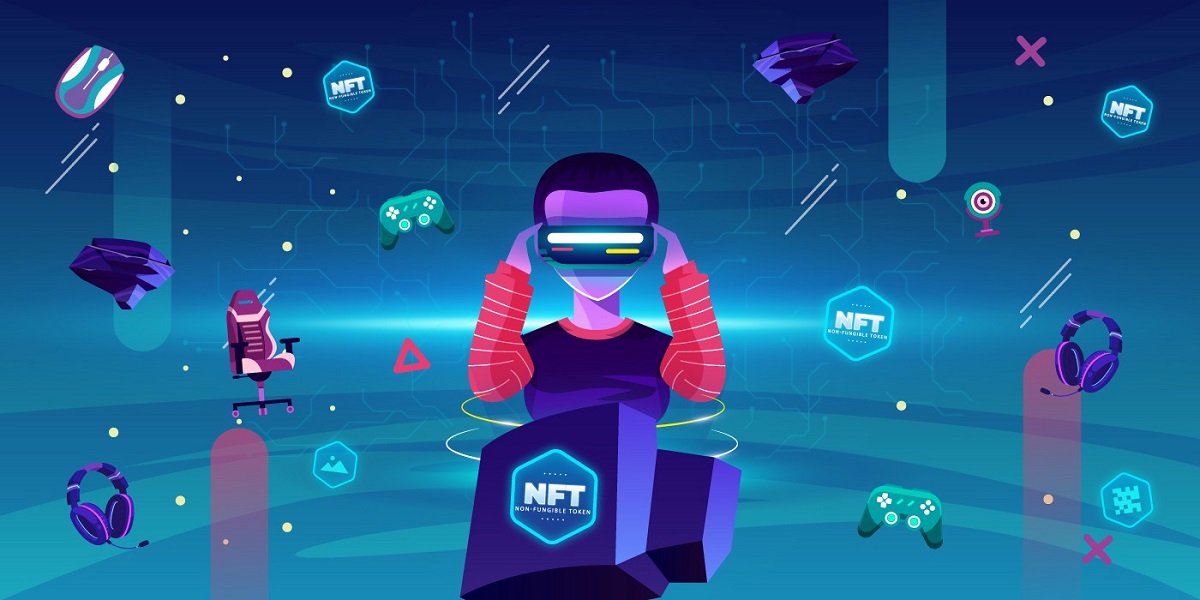
As concerns about digital ownership continue to mount, some innovative solutions are emerging, particularly in the form of blockchain technology and non-fungible tokens (NFTs). Blockchain, which underpins cryptocurrencies like Bitcoin, offers a way to authenticate and track ownership of digital assets. NFTs, which are unique digital tokens tied to a specific piece of content, offer a new model of ownership for things like art, music, and videos.
With NFTs, creators can sell digital content directly to consumers, and consumers can resell or trade that content if they choose. Unlike traditional digital content purchases, NFTs are typically stored on a blockchain, which provides a verifiable record of ownership that cannot be easily revoked or altered. This model has the potential to upend the traditional system of licensing agreements, offering both creators and consumers a greater sense of control over their digital assets.
However, NFTs and blockchain technology are still in their infancy, and questions remain about their environmental impact, scalability, and long-term viability. While they may offer a more secure way to “own” digital content, the underlying technology is still evolving, and it remains to be seen whether it will become a mainstream solution.
What Does Digital Ownership Mean for the Future?
As we continue to grapple with the complexities of digital ownership, it’s clear that the way we think about and interact with content is undergoing a radical transformation. Digital content is no longer a simple transaction in which you pay for a good and take it home; instead, it’s a complex web of licenses, terms of service, and technological infrastructure.
The concept of “owning” digital content may become less relevant in the future as we move toward a more subscription-based and cloud-oriented economy. In this future, access to content will be prioritized over possession, and platforms will serve as the primary gatekeepers of that access. For some, this shift may feel like a loss of control; for others, it could be seen as a necessary evolution that simplifies access to a vast array of media.
Ultimately, the question of whether we “own” our digital content may become a moot point. Instead, the focus may shift to the quality of the access we have, the rights we retain, and the broader ethical considerations of digital ecosystems. As the world continues to digitize, the idea of ownership will evolve in ways we may not fully understand yet. But one thing is for sure: the days of assuming we truly own our digital content are long gone.










Discussion about this post