


























Asteroid mining represents one of the most exciting frontiers in the future of space exploration and resource utilization. As Earth’s resources become increasingly strained, the prospect of tapping into the vast treasure troves that float in our solar system promises not only to revolutionize industries but also to transform the way we think about the potential for off-world expansion.
While it may sound like the stuff of science fiction, asteroid mining is grounded in scientific feasibility and rapidly advancing technologies. This article will explore why asteroid mining is becoming more plausible, the challenges involved, and what resources we might find in these celestial objects. We will also delve into the potential economic, environmental, and ethical implications of mining in space.
1. The Allure of Asteroid Resources
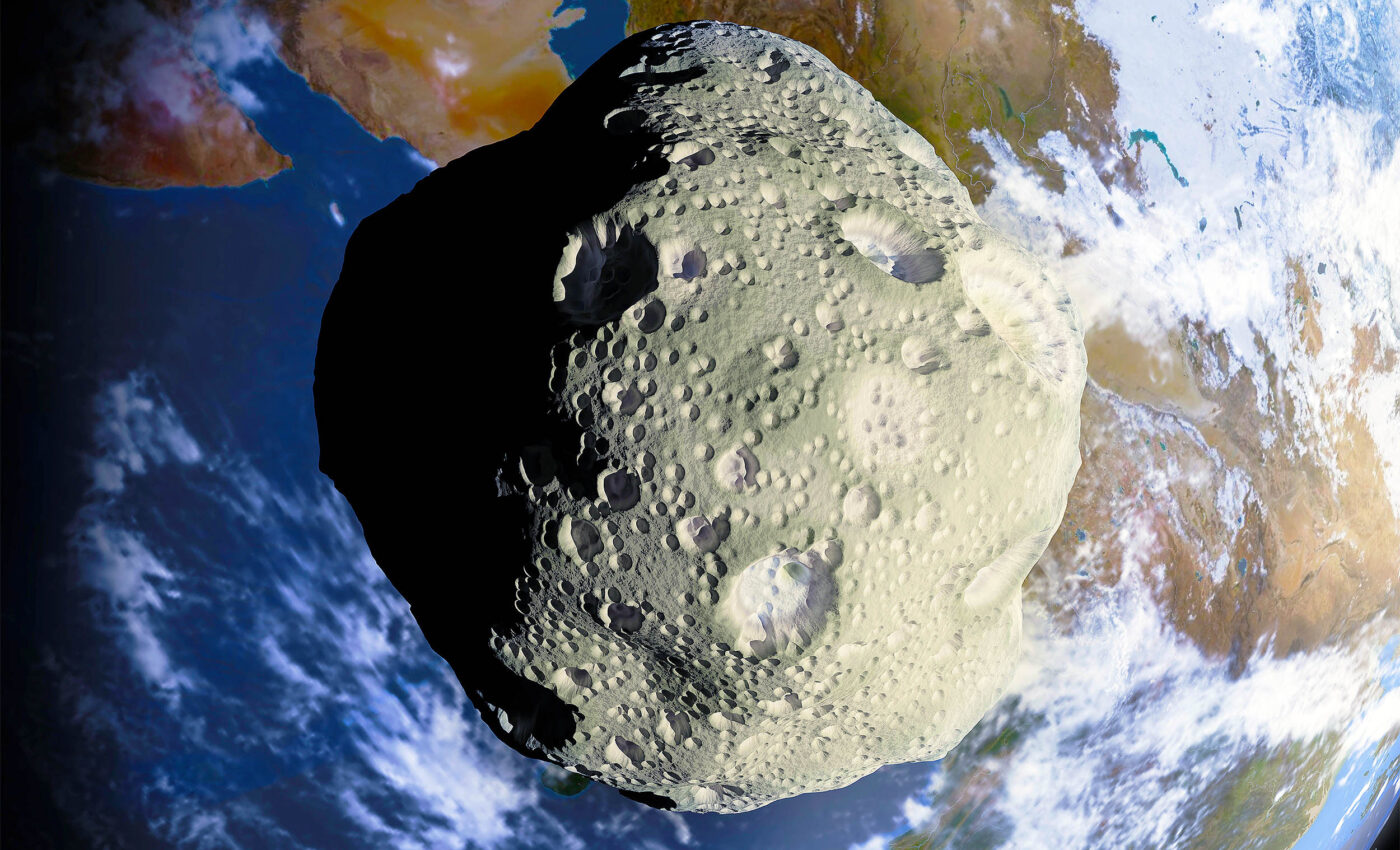
Asteroids are essentially leftover building blocks from the formation of our solar system over 4.6 billion years ago. These rocky bodies, ranging in size from tiny pebbles to objects hundreds of kilometers across, are rich in materials that are rare or increasingly expensive here on Earth. What makes them so alluring is their composition, which often includes a mix of metals, water, and other elements crucial for advanced technologies and even sustaining human life in space.
1.1. Precious Metals and Rare Earth Elements
Many asteroids contain high concentrations of precious metals like platinum, gold, and palladium. These materials are essential for electronics, catalysts, and a variety of industrial applications. According to estimates, a single asteroid may contain hundreds of billions of dollars worth of metals—far more than what we currently mine on Earth in a year.
For example, asteroid 241 Germania, a large asteroid in the asteroid belt, is thought to contain about 66 trillion dollars’ worth of metals. The abundance of rare Earth elements in some asteroids, such as neodymium and europium, could address the increasing demand for these materials used in modern electronics, wind turbines, and electric vehicles.
1.2. Water for Fuel and Life Support
Water is a crucial resource for space exploration. It can be broken down into hydrogen and oxygen, which are essential for rocket fuel. Furthermore, water is vital for supporting human life—whether for drinking, growing food, or as a component in breathable air.
Asteroids, especially those classified as “carbonaceous chondrites,” are known to contain large amounts of water in the form of ice. If we could extract and process this water in space, it would drastically reduce the cost of future missions to the Moon, Mars, or beyond by eliminating the need to transport water from Earth.
2. The Technological Feasibility of Asteroid Mining
While the idea of mining asteroids seems like a futuristic endeavor, recent technological advancements are bringing it closer to reality. However, it is not without its challenges, and a successful mining operation would require a combination of new technologies, logistical solutions, and bold exploration.
2.1. Robotic Mining Systems
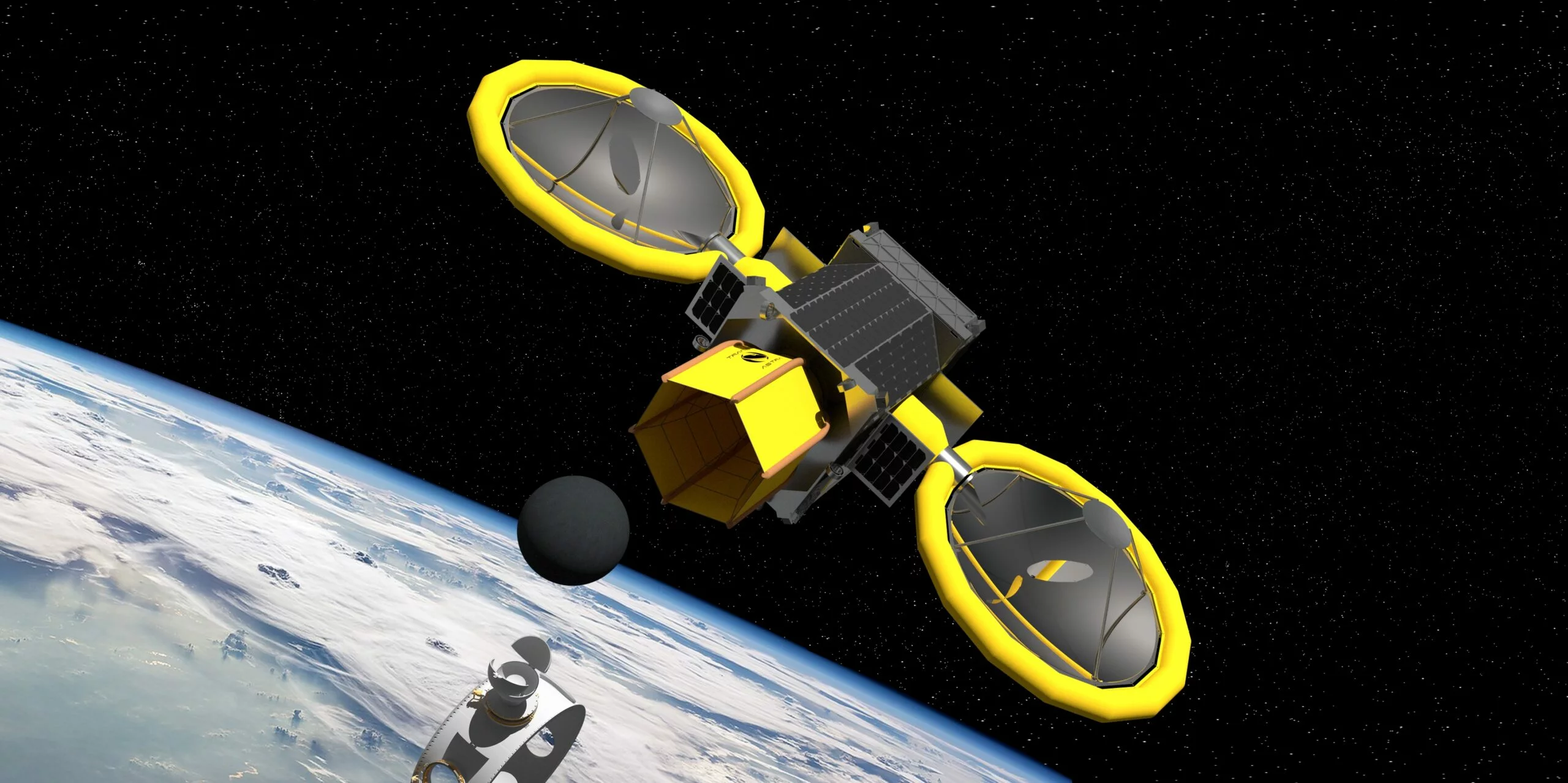
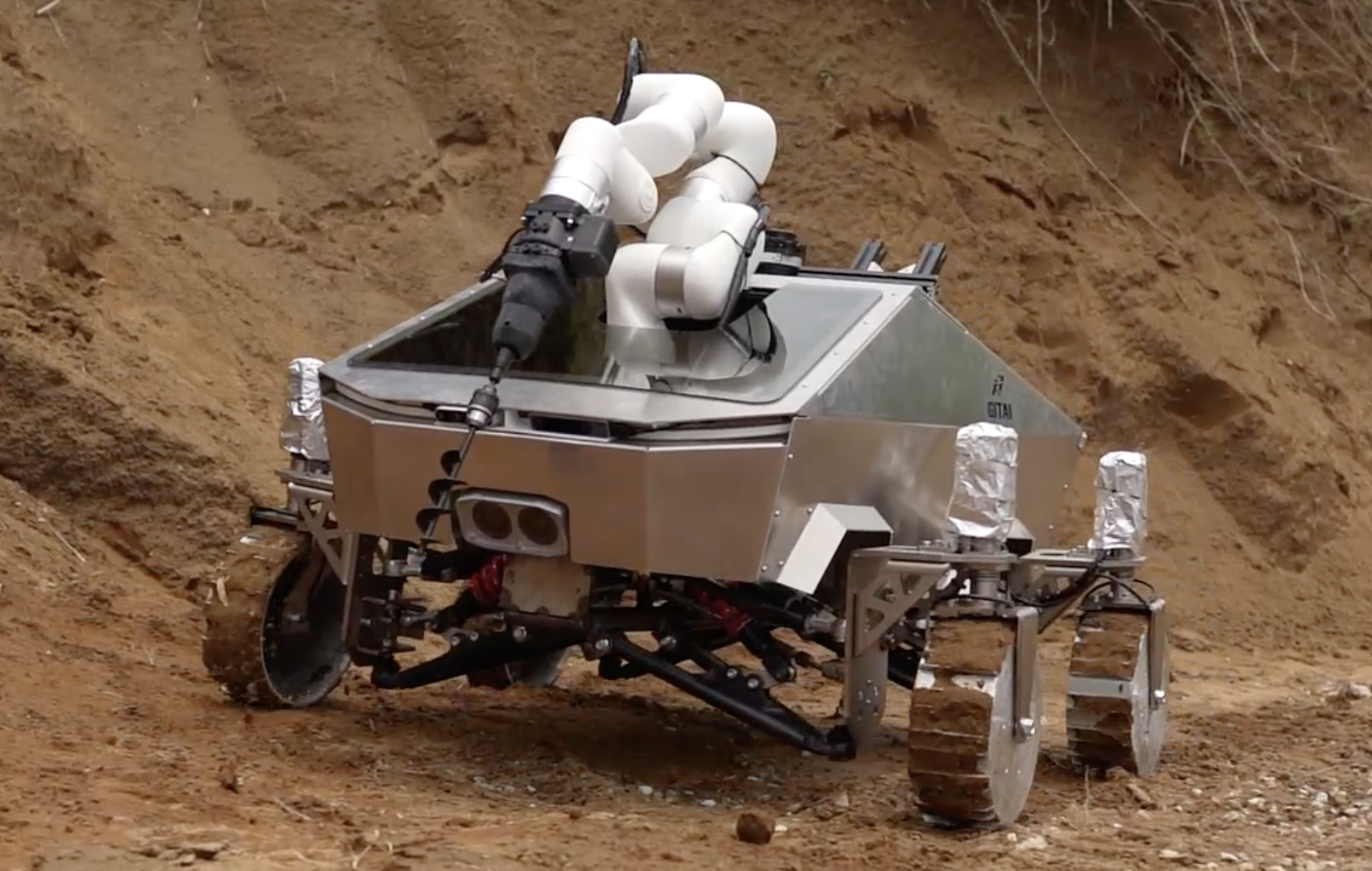
In order to extract resources from asteroids, humans will likely rely on autonomous robotic systems. The challenge of sending humans to mine asteroids—considering the vast distances and extended missions involved—means that robotics will play a key role. These robots would need to be equipped with tools to extract minerals, process them, and then transport them back to Earth or to an orbiting station for further use.
NASA’s OSIRIS-REx mission, which successfully collected samples from the asteroid Bennu in 2020, is a prime example of how current robotic systems are capable of interacting with asteroids. The technology demonstrated by this mission could serve as a model for future asteroid mining operations.
2.2. Spacecraft and Propulsion Systems
Getting to asteroids is a major hurdle, requiring reliable spacecraft and efficient propulsion systems. Over the past few decades, advancements in propulsion technologies like ion drives and solar sails have made space travel more efficient, cutting down travel times and fuel consumption.
NASA’s Dawn spacecraft, which visited both the asteroid Vesta and Ceres, demonstrated that long-duration missions to small objects in the asteroid belt are possible. In the future, spacecraft equipped with advanced ion engines may be able to travel farther and more efficiently to reach these valuable targets.
2.3. Mining Techniques in Space
The mining techniques we use on Earth are unlikely to work the same way in the microgravity environment of space. The lack of atmosphere and gravity means that traditional methods like drilling or blasting might need to be reimagined.
One proposed method involves “regolith mining,” where the outer layer of asteroids is broken down and sifted for minerals. This could be done by deploying robotic drills or laser-based technologies to fracture the rock and then collect the resulting materials. Another idea is to mine asteroids for water by heating them up, allowing the water to vaporize and then capture the steam for processing.
3. Economic Implications of Asteroid Mining
The potential economic impact of asteroid mining is staggering. Some experts believe that it could open up entirely new industries, providing resources that are becoming increasingly scarce on Earth while reducing our dependence on traditional terrestrial mining.
3.1. A New Source of Raw Materials
Asteroid mining could dramatically reshape global markets for metals and other raw materials. If large quantities of platinum, gold, and other precious metals could be extracted from asteroids, it might reduce their scarcity on Earth, potentially lowering prices. This could have profound implications for industries ranging from electronics to automotive manufacturing.
However, some economists argue that an influx of precious metals could also lead to inflation or other market disruptions, as the increased supply could devalue these metals over time.
3.2. Off-World Colonization
Asteroid mining could also play a crucial role in humanity’s future in space. By providing resources for building space stations, lunar bases, and eventually Mars colonies, asteroid mining could facilitate the expansion of human civilization beyond Earth. The ability to mine materials like metals and water in space would eliminate the need to transport these resources from Earth, making long-term space missions and colonization much more feasible.
3.3. Commercial Opportunities
Private companies are already positioning themselves for asteroid mining. In 2021, the mining company Planetary Resources (later acquired by ConsenSys) launched a satellite designed to prospect asteroids for water and precious metals. Another company, Deep Space Industries, has plans for mining asteroids for water and metals, with a vision of supplying resources to space infrastructure.
As technology advances and more players enter the market, it is likely that asteroid mining will become a competitive industry, creating a new economic sector that spans across industries such as space travel, robotics, and resource processing.
4. Environmental and Ethical Concerns
While the benefits of asteroid mining are significant, it also raises important ethical and environmental questions. As with any new technology, there are risks and challenges that must be addressed before we can safely and responsibly begin mining asteroids.
4.1. Environmental Impact on Space
Although asteroid mining may help preserve Earth’s environment by reducing the need for terrestrial mining, there are concerns about the environmental impact on space. Mining asteroids could create debris or disturb the delicate balance of the solar system’s small objects. The potential for collision risks or destabilization of asteroid orbits must be carefully considered.
4.2. Ownership and Space Law
One of the most pressing ethical issues surrounding asteroid mining is ownership. Under the current legal framework, space is considered a global commons—meaning that no nation or corporation can claim ownership of celestial bodies like asteroids. However, countries like the United States have passed laws, such as the 2015 Space Act, granting private companies the right to own and sell resources mined from asteroids.
International cooperation will likely be necessary to establish a fair framework for asteroid resource extraction, balancing the interests of private companies with the preservation of the space environment and the well-being of humanity as a whole.
4.3. Resource Distribution and Global Inequality
Asteroid mining could exacerbate existing inequalities if the benefits of space resources are disproportionately controlled by a few wealthy countries or corporations. There are concerns that the exploitation of asteroid resources might further entrench global power imbalances, with a small elite benefiting from the riches of space while the majority of humanity remains excluded from this new frontier.
5. The Future of Asteroid Mining
In the coming decades, asteroid mining could become a key part of our efforts to expand human presence in space and ensure long-term sustainability for our species. While there are many obstacles to overcome—technological, economic, and ethical—the potential rewards are immense. With continued investment in space exploration and the development of new mining techniques, the prospect of mining asteroids for resources is no longer a distant dream but an exciting possibility.
As we move toward a future where space mining is commonplace, it will require international collaboration, innovative thinking, and responsible stewardship of both our celestial resources and the environment. If we manage to harness the resources of asteroids wisely, it could change the course of human history, unlocking new frontiers of exploration and prosperity.












Discussion about this post