



































In today’s fast-paced world, we often overlook the most important aspect of our well-being: mental health. The relentless pressure of modern life, coupled with the constant bombardment of digital stimuli, has led many of us to feel disconnected, stressed, or simply overwhelmed. But what if the solutions to mental health struggles are already at our fingertips? What if green technology — an innovative and environmentally conscious approach to technology — could not only help preserve the planet but also improve our mental health?
The Intersection of Green Tech and Mental Health
At first glance, the relationship between green tech and mental health may not be immediately obvious. Green tech focuses on using sustainable and environmentally-friendly technologies to address climate change, reduce energy consumption, and create a cleaner planet. But what if these same technologies could help us create healthier, happier minds?
We know that our environment plays a significant role in our psychological well-being. Factors such as access to green spaces, exposure to natural light, and the presence of nature can dramatically affect our mood and mental health. Research has shown that people living in areas with higher levels of greenery and natural beauty tend to experience less stress, lower anxiety levels, and improved overall well-being. So, could green tech — innovations like green architecture, biophilic design, and eco-friendly gadgets — enhance these positive effects? The answer might surprise you.
Green Architecture: A New Standard for Mental Wellness
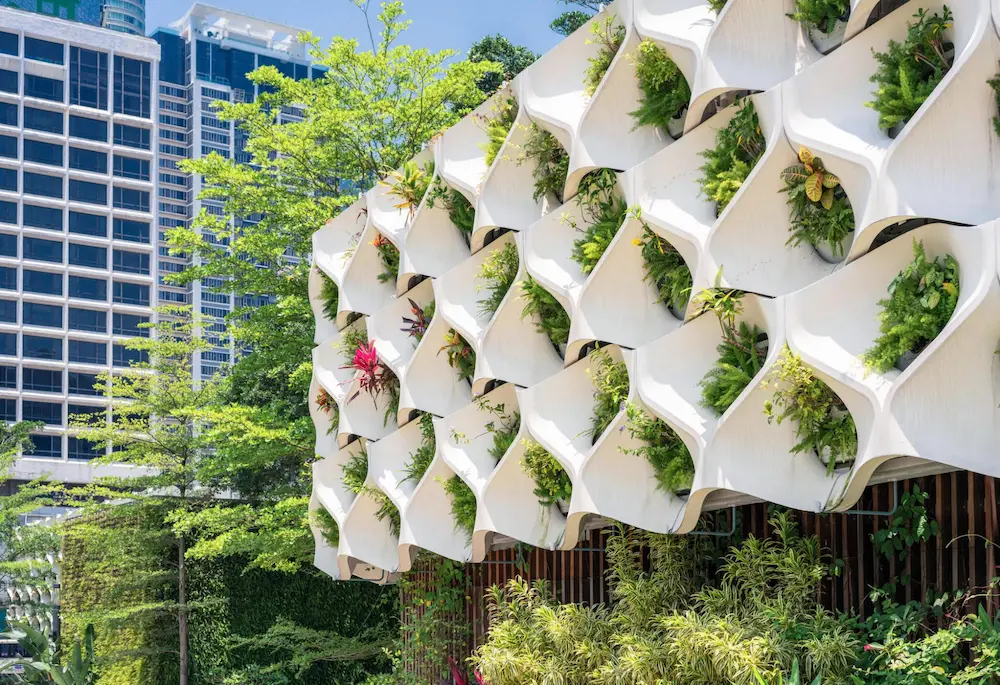
One of the most exciting developments in green tech is the rise of green architecture. This field focuses on designing buildings that are energy-efficient, environmentally friendly, and conducive to well-being. Think about buildings that are not only powered by renewable energy but also incorporate elements of nature directly into their design. Whether it’s through the use of green roofs, living walls, or even indoor gardens, green architecture strives to blend the natural world with the built environment.
Studies have shown that spending time in spaces with natural elements, such as plants or natural light, can significantly reduce stress and improve cognitive function. Green buildings often emphasize air quality, natural light, and acoustics, all of which have been proven to impact mental health. Imagine walking into a home or office where the walls are covered with vibrant greenery, sunlight streams in from every angle, and the air feels fresh and clean. It’s a mental health oasis.
Moreover, green buildings often use materials that are non-toxic and hypoallergenic, which can help reduce the risk of respiratory issues, allergies, and other health problems that might exacerbate mental health conditions. By addressing the physical environment in which we live and work, green tech can help alleviate some of the underlying factors that contribute to anxiety, depression, and other mental health challenges.

Biophilic Design: Reconnecting with Nature
Biophilic design is a concept rooted in the idea that humans have an innate connection to nature. This design philosophy incorporates natural elements into buildings and products to create spaces that nurture both our physical and mental health. This could include incorporating natural wood, water features, plant life, and even the sounds of nature into our surroundings.
The mental health benefits of biophilic design are vast. For instance, research has shown that even small amounts of greenery in a room can improve concentration and reduce stress. In workspaces, biophilic elements have been linked to increased productivity and creativity. By fostering a connection to nature, biophilic design can help counteract the negative effects of urban living, where natural elements are often scarce.
In homes, biophilic design can create a tranquil environment that promotes relaxation and rejuvenation. Imagine a home office where your desk is surrounded by lush plants and natural materials, or a living room where sunlight filters through large windows, casting warm light over natural wooden floors. This harmonious blend of nature and design can promote a sense of calm, reducing stress and improving focus.
Green Tech and Mental Health Wearables
Another area where green tech is intersecting with mental health is through the use of mental health wearables. Fitness trackers like Fitbit or the Apple Watch are already ubiquitous, helping us monitor physical health metrics like steps, heart rate, and sleep patterns. However, recent innovations are pushing these devices beyond basic fitness monitoring and incorporating tools to track and improve mental health as well.
Some wearables, like the Oura Ring, track not only physical activity but also factors like sleep quality, body temperature, and even the user’s emotional state based on physiological indicators. By helping users become more aware of their own mental health patterns, these devices can offer insights into stress levels, anxiety, or mood fluctuations. The data collected can then be used to suggest adjustments to improve mental wellness, such as more rest, mindful breathing exercises, or adjusting the user’s environment.
Wearable technology combined with green tech has the potential to create a more holistic approach to mental well-being. For instance, imagine a wearable that can monitor your stress levels and then suggest nearby green spaces for you to visit to reduce your anxiety. Such seamless integration between technology and nature could open up new possibilities for improving mental health, helping users feel more connected to both their bodies and their environment.
Eco-Friendly Gadgets for a Healthier Mind
While many gadgets and devices have been critiqued for contributing to digital overload, eco-friendly gadgets are changing the narrative. Green tech companies are now creating products that are not only better for the environment but also designed with mental health in mind. Products like air purifiers, noise-canceling headphones, and sleep aids all play a role in creating an environment that fosters mental clarity and relaxation.
For example, air purifiers using sustainable materials can improve indoor air quality, which has a significant impact on mental health. Poor air quality has been linked to increased levels of anxiety and depression, and improving it can create a calmer, healthier environment. Similarly, noise-canceling headphones made from recycled materials can help reduce environmental stressors, providing a quieter space for relaxation, focus, or meditation.

Additionally, the growing trend of eco-friendly sleep aids is helping people improve their mental health by promoting better rest. Smart lighting systems that adjust to circadian rhythms, or non-toxic sleep sprays made from essential oils, can help reduce anxiety and improve sleep quality, which is crucial for overall mental wellness.
Renewable Energy and Mental Health: A Broader Perspective
Finally, let’s not overlook the broader impact of renewable energy on mental health. The way we produce and consume energy has a significant impact on both the environment and our psychological well-being. The shift from fossil fuels to renewable energy sources like solar, wind, and geothermal power can reduce air pollution, lower carbon emissions, and create cleaner, more sustainable living environments.
Studies have found that people living in areas with high levels of air pollution are more likely to experience mental health issues, including depression and anxiety. By transitioning to renewable energy sources, we can reduce pollution and improve air quality, which in turn can have a positive effect on mental health.
Moreover, the focus on sustainability in green tech encourages a sense of purpose and connection to something greater than ourselves. Engaging in efforts to combat climate change and promote environmental responsibility can help foster a sense of accomplishment and community, reducing feelings of isolation or helplessness that are common in individuals experiencing mental health challenges.
Conclusion: Green Tech as a Pathway to Mental Wellness
While green tech is primarily associated with environmental sustainability, its impact on mental health is undeniable. From green architecture and biophilic design to wearable technology and renewable energy, the innovations in green tech can create environments that promote well-being and mental clarity. By harnessing the power of nature and technology, we can cultivate spaces and tools that nurture our minds just as much as our bodies.
In an era where mental health is becoming an increasingly urgent global concern, integrating green tech into our daily lives offers an exciting and holistic solution. As we continue to embrace sustainability, we may find that the path to a healthier planet is also the path to a healthier mind.













Discussion about this post