



























A Leap in Prosthetic Technology
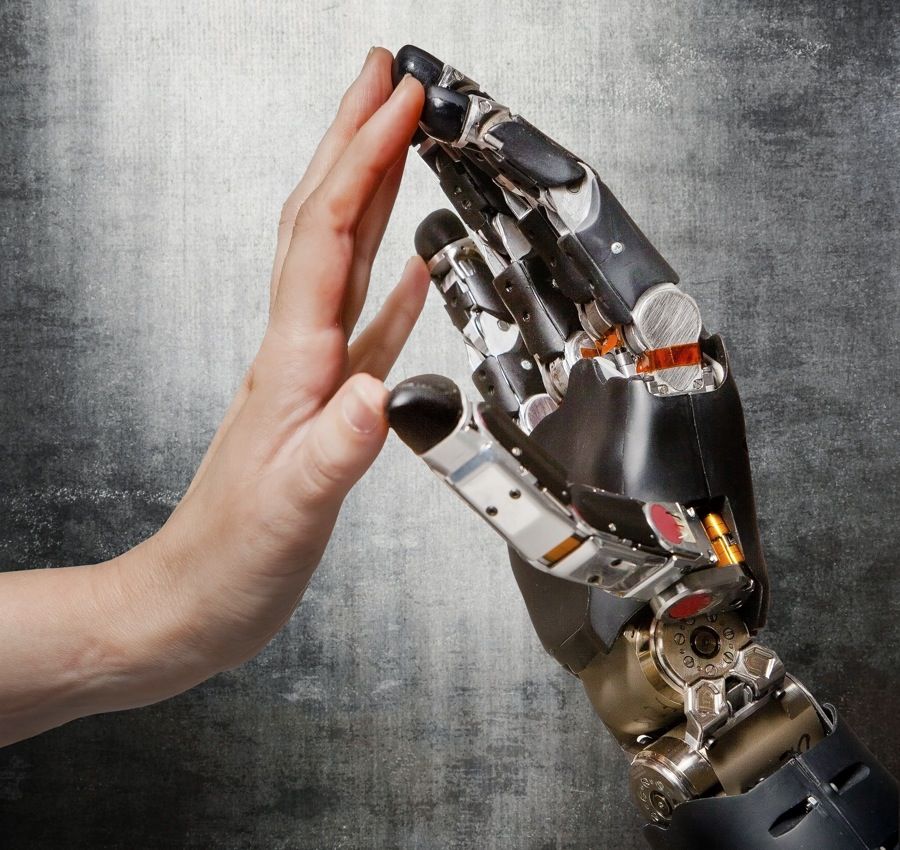
The esteemed journal Nature Medicine has recently unveiled a significant stride in prosthetic advancement – a neural interface that synchronizes bionic legs with the human nervous system. This innovative breakthrough exhibited marked improvements in walking control for amputees, bestowing upon them the gift of “bionic ambulation.” The findings underscore that even partial restoration of neural signals can suffice to yield clinically relevant enhancements in prosthetic functionalities.
The Harmony of Movement
The human body orchestrates limb movements within its domain of activity through paired active and antagonistic muscles, reciprocating proprioceptive signals to the central nervous system. This process imbues the body with an awareness of limb placement and motion. However, surgical amputation disrupts this delicate neural-muscular structure, resulting in a remnant limb where severed muscles are encapsulated, forming a cushioned soft tissue for prosthetic sockets. This, in turn, distorts natural muscle dynamics and proprioception.
Innovations from MIT
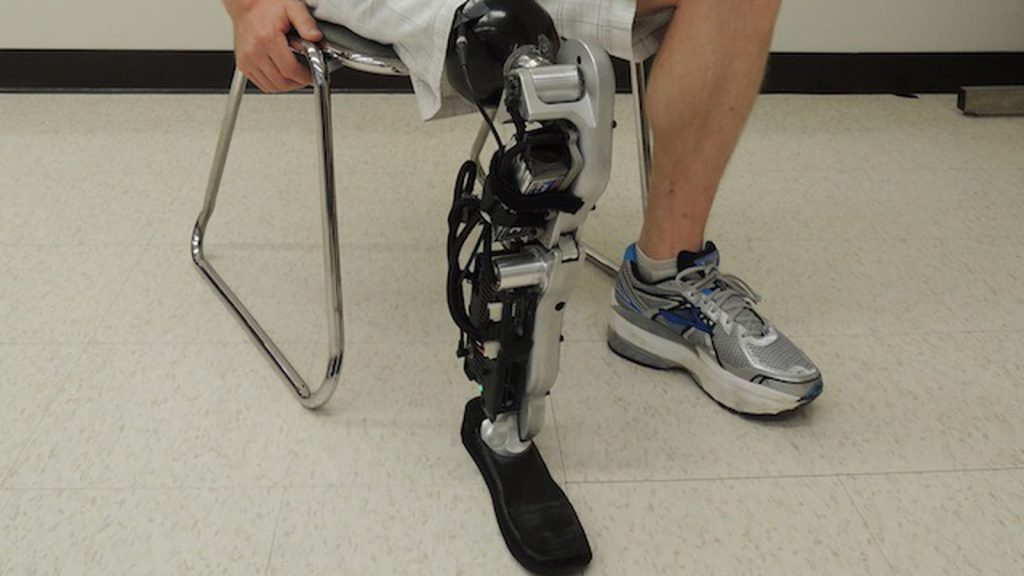
Researchers from the Massachusetts Institute of Technology have devised a pioneering neural prosthetic interface. This interface surgically connects paired active and antagonistic muscles to sensing electrodes. These dynamically paired muscles, reconstructed within the remnant limb, serve as the origin for prosthetic control and proprioceptive feedback for individuals with leg amputations. In essence, the interface relays the amputee’s neural control signals to an external prosthetic, subsequently feeding back the limb’s positional and kinesthetic feedback, thus restoring a semblance of innate proprioception.
Clinical Trials Illuminate Progress
The performance of this biomimetic prosthesis was scrutinized in clinical trials involving 14 participants with unilateral below-knee amputations, seven of whom employed the neural prosthetic interface. Compared to amputees without the interface, these participants experienced a 41% enhancement in walking speed, paralleling the ambulatory speed of non-amputee individuals. Moreover, their ambulatory proficiency was notably competent in real-world scenarios, encompassing inclines, steps, and obstructed pathways.
Guiding Future Reconstruction Technologies
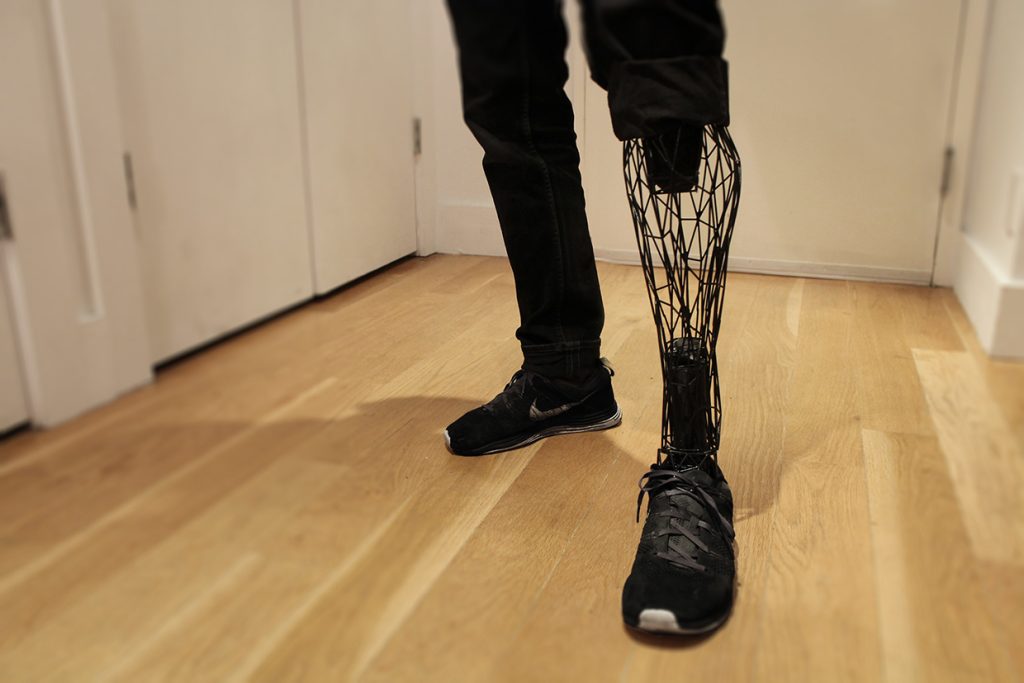
The team posits that their findings could inform future reconstructive technologies aimed at restoring neural control over bodily movement for individuals with amputations or motor paralysis.
Editorial Spotlight
The intricate collaboration between the brain and the body – signaling, conducting, perceiving, and executing movement – constitutes a fraction of a moment in a network reliant on the seamless cooperation of neural cells. Yet, once damaged, many nerves cannot regenerate, leaving amputees with a fragmented neural network despite prosthetic aid. Now, researchers are pioneering from the neural system, allowing amputee’s neural controls to communicate with prosthetics, mending the severed pathways. This innovation promises a future where individuals with neural prosthetics can stride better and regain control over their mobility, significantly elevating their quality of life.












Discussion about this post