




































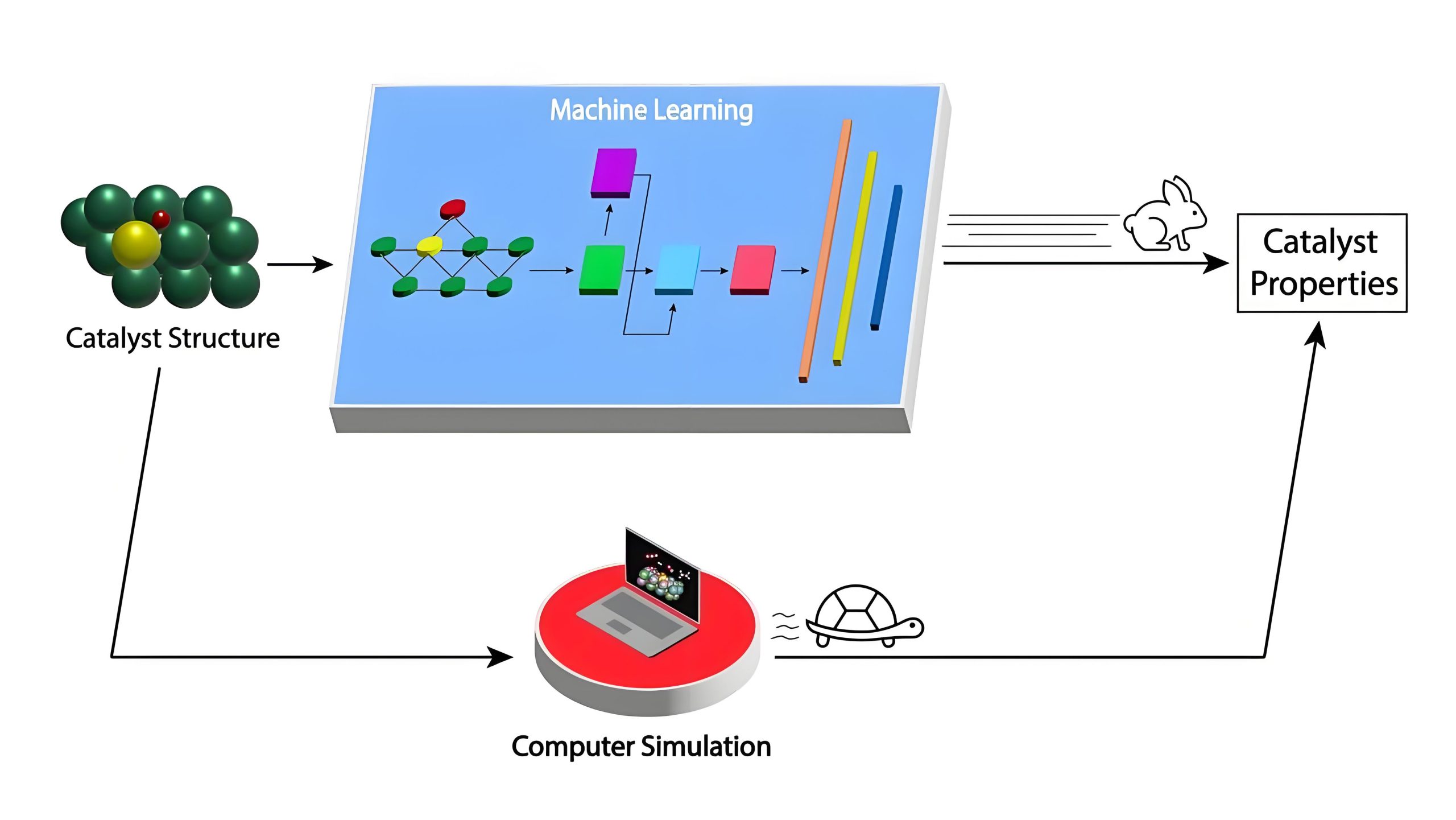
In the vast landscape of artificial intelligence, machine learning models have emerged as the cornerstones of innovation and progress. From predicting market trends to enhancing healthcare outcomes, these intricate algorithms are transforming industries and reshaping our world. However, the true power of machine learning lies not just in building models but in meticulously evaluating and refining them to achieve optimal performance.
The Art of Evaluation: A Journey to Precision
At the heart of every successful machine learning endeavor lies a rigorous evaluation process. This is where the rubber meets the road, where theories are put to the test and hypotheses are validated. Evaluating a machine learning model involves assessing its ability to generalize beyond the training data, accurately predicting unseen instances, and ultimately, solving the problem at hand.
To embark on this journey, one must first understand the nuances of various evaluation metrics. From simple accuracy scores to more nuanced measures like precision, recall, F1-score, and ROC-AUC, each metric sheds light on different aspects of model performance. By selecting the right metrics tailored to your specific use case, you can gain valuable insights into your model’s strengths and weaknesses.
Refining for Perfection: An Iterative Dance
Once evaluated, the next step is to refine your model. This iterative process involves adjusting hyperparameters, exploring different model architectures, and potentially incorporating additional features or data sources. It’s a delicate dance of experimentation and fine-tuning, where every tweak can lead to a significant improvement or, in some cases, a step backward.
The key to mastering this dance lies in adopting a systematic approach. Start by identifying the most promising avenues for improvement based on your evaluation results. Then, implement changes one at a time, carefully monitoring the impact on model performance. Use tools like cross-validation to ensure your refinements generalize well and aren’t merely overfitting to your training data.
Embracing Ethical Considerations
As you refine your machine learning model, it’s essential to keep ethical considerations at the forefront. From ensuring fairness and transparency to mitigating bias and protecting privacy, these principles are paramount in building trustworthy AI systems.
Remember, machine learning models are not neutral. They can perpetuate existing societal biases if not designed and evaluated with care. By actively seeking out and addressing potential ethical issues, you can help create AI solutions that benefit society as a whole.
Conclusion: A Journey of Continuous Improvement
Evaluating and refining machine learning models is a never-ending journey of continuous improvement. It requires a blend of technical expertise, creativity, and a deep commitment to ethical principles. By embracing this iterative process, you can unlock the full potential of your machine learning models, driving innovation and creating positive impact in the world.
In the end, it’s not just about building the best model possible. It’s about using that model to solve real-world problems, improve lives, and push the boundaries of what’s possible. So, let’s embark on this exciting journey together, evaluating, refining, and striving for perfection in the realm of machine learning.













Discussion about this post