




























1. Introduction
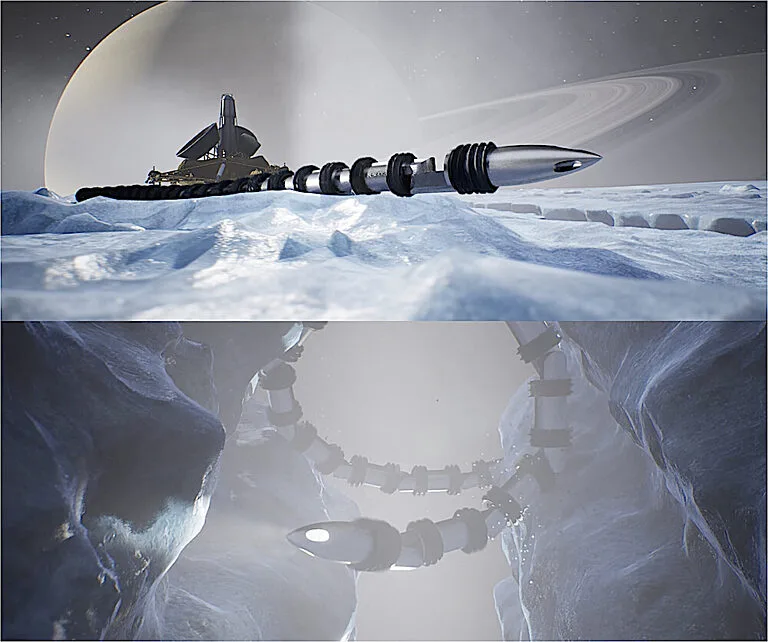
The realm of robotic exploration is undergoing a significant transformation, driven by inspirations from nature and advances in engineering. One particularly intriguing development is the exploration of bioinspired designs, where the natural world offers solutions to complex engineering challenges. Among the most fascinating examples is the study of eels and their potential to revolutionize robotic exploration. This article delves into the biomechanics of eels, their unique adaptations, and how these characteristics could inform the design of future robotic systems. By understanding and harnessing the principles of eel locomotion, we may unlock new possibilities for exploring underwater environments and other challenging terrains.
2. Understanding Eel Locomotion
2.1 The Eel’s Unique Anatomy
Eels possess a distinctive anatomy that enables their remarkable movement:
- Elongated Body: Eels have long, slender bodies that allow them to navigate through tight spaces and complex environments with ease. This body shape is crucial for their ability to maneuver in aquatic environments.
- Flexible Spine: The eel’s spine is highly flexible, enabling a wide range of undulating movements. This flexibility is key to their swimming efficiency and agility.
2.2 Locomotion Mechanisms
Eels use a combination of unique locomotion mechanisms that are advantageous for exploration:
- Undulatory Swimming: Eels use undulating body waves to propel themselves forward. This motion involves creating sinusoidal waves along their body, which push against the water to generate thrust.
- Lateral Undulation: This form of locomotion allows eels to move efficiently in a serpentine fashion. It helps them to navigate through narrow or cluttered environments, such as coral reefs or underwater caves.
2.3 Adaptations for Various Environments
Eels are adapted to a variety of environments, which makes their study particularly relevant for robotic design:
- Marine and Freshwater Habitats: Eels inhabit diverse aquatic environments, from oceans and rivers to estuaries. Their ability to thrive in these varied conditions demonstrates their versatile locomotion and environmental adaptability.
- Mud and Sand: Some eel species are capable of moving through soft sediments and muddy environments. This trait is particularly valuable for understanding how robotic systems can operate in similar challenging terrains.
3. Bioinspired Robotics: Learning from Nature
3.1 The Concept of Bioinspiration
Bioinspired robotics involves designing robotic systems based on principles observed in biological organisms:
- Imitating Nature: By studying the way animals move and interact with their environments, engineers can create robots that mimic these behaviors to solve complex problems.
- Innovative Designs: Nature often provides elegant solutions to challenges that engineers face, leading to innovative and efficient robotic designs.
3.2 Key Bioinspired Technologies
Several technological advancements have been inspired by biological systems:
- Robotic Fish: Early robotic fish were designed to replicate the swimming motions of real fish. These robots are used in research and environmental monitoring, demonstrating the potential of bioinspired designs.
- Soft Robotics: Soft robots, which can change shape and adapt to their environment, are inspired by the flexible bodies of animals like octopuses and worms. These robots are particularly useful for exploring delicate or constrained environments.
4. The Potential of Eel-Inspired Robots
4.1 Design Considerations
Designing robots based on eel locomotion involves several considerations:
- Flexibility and Articulation: Eel-inspired robots must incorporate flexible joints and segmented bodies to replicate the undulating motion of real eels. This design allows them to navigate through narrow and complex environments.
- Hydrodynamic Efficiency: The streamlined shape of eels reduces drag and enhances swimming efficiency. Robotic designs that mimic this hydrodynamic profile can achieve similar benefits in underwater exploration.
4.2 Applications in Underwater Exploration
Eel-inspired robots offer numerous advantages for underwater exploration:
- Navigation in Complex Environments: Eels are adept at navigating through intricate environments, such as coral reefs and underwater caves. Robots that mimic these capabilities can access areas that traditional rigid robots cannot.
- Marine Research: Eel-inspired robots can be used for studying marine life, monitoring ecosystems, and collecting data in regions that are difficult for human divers to reach.
4.3 Advancements in Materials and Actuators
Recent advancements in materials and actuators enhance the performance of eel-inspired robots:
- Flexible Materials: Advances in soft materials, such as silicones and elastomers, enable the creation of flexible and adaptable robotic bodies that closely resemble the flexibility of eels.
- Advanced Actuators: New types of actuators, including artificial muscles and hydraulic systems, allow for smooth and efficient undulatory motion in robotic systems.
5. Case Studies and Examples
5.1 The “EEL” Robot
One notable example of eel-inspired robotics is the development of the “EEL” robot:
- Design and Functionality: The EEL robot, developed by researchers at Harvard University, replicates the undulating motion of real eels. It is designed for underwater exploration and has demonstrated impressive maneuverability in complex environments.
- Research and Testing: The EEL robot has been tested in various aquatic settings, showcasing its ability to navigate through obstacles and perform tasks such as environmental monitoring and data collection.
5.2 The “Swumanoid” Project
The Swumanoid project represents another example of bioinspired underwater robotics:
- Bioinspired Design: The Swumanoid robot combines eel-like undulation with other fish-inspired features to create a versatile underwater robot. It is designed for tasks such as underwater inspection and rescue missions.
- Testing and Applications: The Swumanoid has been tested in various aquatic environments, demonstrating its effectiveness in navigating through confined spaces and performing complex tasks.

6. Challenges and Future Directions
6.1 Engineering Challenges
Developing eel-inspired robots involves overcoming several engineering challenges:
- Design Complexity: Creating a flexible and adaptable robotic system that accurately replicates eel locomotion requires sophisticated engineering and precise control mechanisms.
- Durability and Reliability: Ensuring that eel-inspired robots can withstand the harsh conditions of underwater environments and remain reliable over extended periods is a key challenge.
6.2 Future Research Directions
Future research will focus on addressing these challenges and expanding the capabilities of eel-inspired robots:
- Enhanced Materials: Continued development of advanced materials and manufacturing techniques will improve the flexibility and durability of eel-inspired robots.
- Advanced Control Systems: Innovations in control systems and algorithms will enhance the precision and adaptability of eel-inspired robots, enabling them to perform more complex tasks.
6.3 Broader Implications
The study of eel-inspired robotics has broader implications beyond underwater exploration:
- Medical Applications: The principles of eel locomotion can be applied to medical robotics, such as soft robotic devices for minimally invasive surgeries or rehabilitation.
- Environmental Monitoring: Eel-inspired robots can play a role in monitoring and protecting aquatic ecosystems, contributing to conservation efforts and environmental research.
7. The Future of Bioinspired Robotics
7.1 Integration with AI and Machine Learning
The integration of artificial intelligence (AI) and machine learning with bioinspired robotics holds great promise:
- Autonomous Navigation: AI algorithms can enable eel-inspired robots to navigate autonomously through complex environments, making real-time decisions based on sensor data.
- Adaptive Behaviors: Machine learning can enhance the robot’s ability to adapt to changing conditions and optimize its performance for various tasks.
7.2 Collaborative Robotics
Collaborative robotics, where multiple robots work together, is an emerging field with potential applications:
- Swarm Robotics: Eel-inspired robots could be deployed in swarms to cover large areas and perform coordinated tasks, such as environmental monitoring or search and rescue operations.
- Human-Robot Collaboration: Eel-inspired robots could assist human divers and researchers by performing tasks that are difficult or dangerous for humans to undertake.
7.3 Interdisciplinary Approaches
The development of bioinspired robotics benefits from interdisciplinary collaboration:
- Biology and Engineering: Collaboration between biologists and engineers is essential for understanding the principles of eel locomotion and translating them into effective robotic designs.
- Computational Modeling: Advanced computational models and simulations can aid in the design and optimization of eel-inspired robots, providing insights into their performance and capabilities.
8. Conclusion
The study of eels and their unique locomotion mechanisms offers exciting possibilities for the future of robotic exploration. By drawing inspiration from the natural world, engineers and scientists can develop innovative robotic systems that excel in navigating complex environments and performing challenging tasks. As we continue to advance our understanding of bioinspired robotics, the potential applications extend beyond underwater exploration to fields such as medicine, environmental monitoring, and autonomous systems. The fusion of biological insights with cutting-edge technology promises to unlock new frontiers in robotics and enhance our ability to explore and understand the world around us.
The ongoing research into eel-inspired robots represents just one example of how nature can inspire technological innovation. By embracing the principles observed in the natural world and leveraging the latest advancements in engineering and materials science, we can pave the way for a future where robotics play an increasingly vital role in exploration, discovery, and problem-solving.













Discussion about this post